
The Pressure to Be "Perfect": How GLP-1s Are Changing College Beauty Standards
Introduction: When Your Campus Bestie is Actually Ozempic
Okay besties, let's talk about something that's literally everywhere on campus right now but nobody's really talking about honestly. You know that girl from your dorm who went from a size 12 to a size 4 over winter break? Or your sorority sister who suddenly stopped ordering late-night pizza and claims she's "just not hungry anymore"?
Plot twist: their new bestie isn't a workout routine or some magical metabolism boost – it's probably Ozempic, Wegovy, or one of those other GLP-1 drugs that literally everyone is using but pretending they're not.
I'm not here to shame anyone (we've all got our things, right?), but we need to have a real conversation about how these medications are completely changing what it means to be "perfect" on college campuses. Because honestly? The pressure is getting intense, and it's messing with all of our heads in ways we didn't see coming.
So grab your emotional support beverage of choice, and let's dive into this mess together. Trust me, you're gonna want to hear this.
GLP-1s 101: What Even Are These Miracle Weight Loss Drugs?
First things first let's break down what we're actually dealing with here, because the science is actually kind of wild. GLP-1 medications are basically like having a tiny voice in your stomach that's constantly telling you "bestie, you're full, put down the fork."
Originally, these drugs (think Ozempic, Wegovy, Mounjaro) were made for people with diabetes. But then everyone noticed that people were losing weight like crazy as a side effect, and suddenly Hollywood was obsessed. Now? They're basically the Starbucks of weight loss – everywhere you look.
Here's the tea: these drugs literally slow down how fast food leaves your stomach and mess with your hunger hormones. So instead of being hungry every two hours like a normal college student, you take one bite of your dining hall pasta and you're like "actually, I'm good for the next 8 hours."
Sounds like a dream, right? Well, that's where things get complicated...
How Semaglutide Became the New Campus Currency
Y'all, I cannot stress this enough these medications have become the new social currency on campus and it's honestly terrifying. Like, remember when having the newest iPhone was the flex? Now it's having access to Ozempic.
I've literally overheard conversations where girls are comparing their weekly injection routines the same way we used to talk about our skincare routines. "Oh my god, I'm on 0.5mg of semaglutide, what about you?" Like, since when did pharmaceutical dosages become small talk?
The stats are actually insane some surveys are showing that 1 in 8 college students have either used or seriously thought about using these meds. That's like, multiple people in every single class you're taking. And this number has literally tripled since before COVID.
It's giving very much "keeping up with the Joneses" energy, except instead of designer bags, we're all trying to keep up with chemically enhanced metabolism. Not cute, besties.
From "Freshman 15" to "Ozempic Face": Beauty Standards Are Not It
Can we talk about how beauty standards have literally gone from 0 to 100 in the span of like, three years? Remember when the "freshman 15" was just accepted as a normal part of college life? When gaining weight meant you were having fun, eating good food, and living your life?
Now we've swung completely the other direction. The beauty standard isn't just thin anymore it's this specific kind of thing that looks effortless but actually requires medical intervention. We're talking about bodies that look like they've never encountered a carb, and faces that are so contoured by weight loss they've got their own name ("Ozempic face" Google it if you dare).
The pressure to look like you just naturally exist at a size 2 while eating whatever you want is actually unhinged. Because spoiler alert: that's not how bodies work! But when everyone around you seems to have cracked the code with GLP-1s, suddenly your normal, functioning, pizza-loving body feels wrong.
And don't even get me started on how this is affecting different body types. If you're naturally curvy or plus-size, the message is crystal clear: your body isn't acceptable unless it's chemically modified. That's not just problematic it's actually devastating for an entire generation.
Instagram vs. Reality: When Your Feed Becomes Your Enemy
Bestie, can we please acknowledge that social media is literally the villain in this story? Like, TikTok and Instagram have created this perfect storm where everyone's transformation is documented, celebrated, and going viral.
Your feed is probably full of "what I eat in a day on Ozempic" videos, before-and-after posts, and influencers talking about their "health journey" (translation: pharmaceutical intervention). The algorithm is feeding you this content 24/7, and your brain is like "everyone's doing it, why aren't you?"
But here's what's not making it to your feed: the girl who can't afford her next dose and is panicking about weight regain. The person dealing with severe nausea and gastroparesis. The students who are so anxious about their medication access that it's affecting their mental health.
Social media is showing you the highlight reel while hiding all the behind-the-scenes chaos. And when you're spending 8+ hours a day consuming this curated content, it starts feeling like reality. Spoiler: it's not.
Getting Your Hands on GLP-1s: The Wild West of Online Prescriptions
Okay, this is where things get actually scary. The accessibility of these medications through sketchy online platforms is giving very much "unregulated supplements from a random website" energy, but with way higher stakes.
Students are literally getting prescriptions through 15-minute telehealth appointments where they exaggerate symptoms or straight-up lie about their health history. Others are sharing medications with friends (which is illegal and dangerous, by the way), or using family members' prescriptions.
I've heard stories of students creating fake accounts on telehealth platforms, lying about their weight, or claiming they have pre-diabetes when they don't. The ease of getting these prescriptions online has created this perfect storm where motivated students can get access within days of deciding they want them.
And the scariest part? Many of these online platforms aren't doing proper medical screenings or follow-ups. So you've got college students injecting themselves with powerful medications without proper medical supervision. What could go wrong?
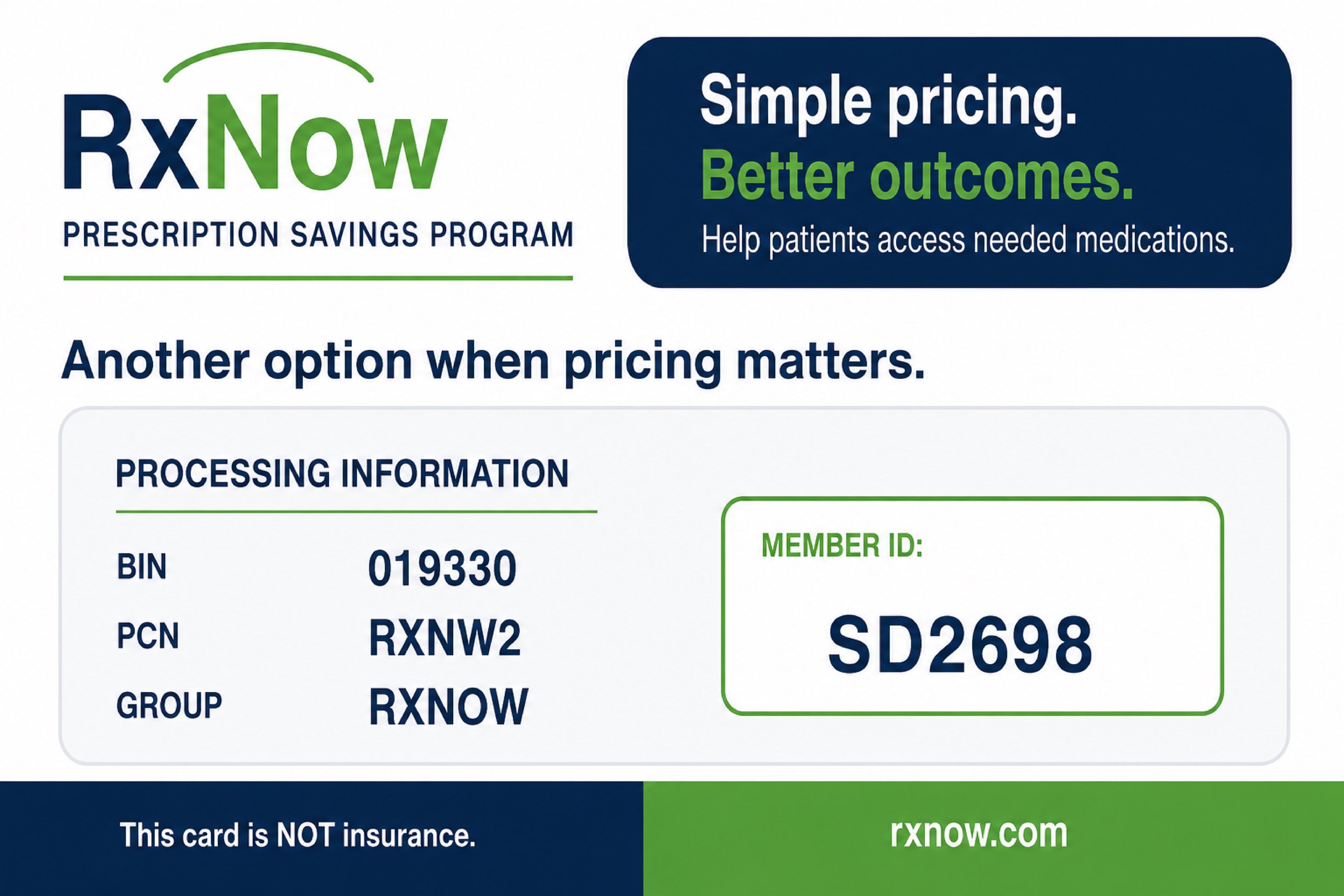
Kranay Academy is partnered with RxNow to help students who are uninsured or insurance won’t cover their medications. Take this discount card to any pharmacy and save money on your prescriptions!
Broke College Student + $1K Monthly Meds = Financial Crisis Era
Let's talk about the elephant in the room these medications are EXPENSIVE. We're talking $1,000-$1,500 per month without insurance. Even with insurance, students are often paying hundreds of dollars monthly.
I know girls who are literally choosing between textbooks and their next Ozempic dose. Students working extra jobs just to afford their medication. Others asking their parents for "emergency money" every month (spoiler: it's not for emergencies).
The financial anxiety is real and it's adding another layer of stress to an already stressful time. Students feel trapped – they're scared to stop because of potential weight regain, but they can't afford to continue. It's creating this cycle of financial dependence that's honestly heartbreaking.
Some are even taking on credit card debt or borrowing money specifically for these medications. We're talking about students going into debt for pharmaceutical beauty standards. Let that sink in.
Your Body on GLP-1s: The Tea Nobody's Spilling
Here's what nobody's talking about on social media these medications can mess with your body in ways that go way beyond appetite suppression. And since most clinical trials focused on older adults with diabetes, we literally don't know what long-term use does to healthy 20-somethings.
Students are dealing with severe nausea, digestive issues that last for months, and something called gastroparesis where your stomach basically forgets how to empty properly. Some are losing muscle mass along with fat, which can affect bone density and metabolism long-term.
There are also reports of hair loss, extreme fatigue, and digestive problems that persist even after stopping the medication. And here's the kicker – we won't know the full long-term effects for decades.
Essentially, an entire generation is participating in a massive medical experiment, and we're treating it like a lifestyle choice. That should honestly terrify all of us.
Mental Health Check: When Your Self-Worth Lives in a Syringe
Can we talk about how these medications are absolutely wrecking people's mental health in ways they didn't expect? Like, yes, some students feel more confident initially, but many are developing this really unhealthy dependence on the drugs for their entire sense of self-worth.
I've talked to students who describe feeling like their "real" self only exists while on these medications. They're literally terrified to stop – not just because of weight regain, but because they feel like they'll lose their identity and social acceptance.
There's also this emerging pattern where students develop disordered eating behaviors while on GLP-1s. The extreme appetite suppression can mask eating disorder tendencies or create new ones. Students start competing over who can eat the least, or using the medications to justify restrictive eating patterns.
The psychological dependence is real, and it's creating anxiety, depression, and eating disorders that might not have existed otherwise. When your happiness depends on a weekly injection, that's not health that's addiction with a prescription.
Peer Pressure Level 100: When Everyone's "Glowing Up" But You
The peer pressure situation is honestly out of control. Students are describing feeling like they're "not trying hard enough" if they're not using these medications. Like, accepting your natural body is somehow seen as laziness or lack of ambition.
Friend groups are literally forming around shared medication use. There are group chats dedicated to comparing side effects, sharing injection tips, and celebrating weekly weigh-ins. If you're not part of the GLP-1 crew, you're on the outside looking in.
Some students feel judged for choosing NOT to use these medications, as if their decision to work with their natural body is somehow inferior. The normalization of pharmaceutical intervention for cosmetic purposes has created this pressure where medical intervention feels mandatory rather than optional.
It's giving very much "if you're not chemically modifying your body, you're not trying" energy, and that's absolutely not okay.
Celebrity Influence: Why We're All Trying to Look Like the Kardashians
Let's be real – celebrity culture is absolutely driving this trend. When Kim K and other influencers are openly talking about their "health journeys" (wink wink), it creates this sense that pharmaceutical intervention is normal and aspirational.
Students cite celebrity transformations as inspiration without considering that celebrities have access to personal chefs, trainers, medical supervision, and unlimited financial resources. They're comparing their college dining hall lifestyle to someone with a full team of health professionals.
The glamorization of rapid weight loss in celebrity culture makes these medications seem like magic solutions rather than serious medical interventions. When your favorite influencer makes it look effortless and fun, it's easy to forget that you're making significant medical decisions.
This celebrity influence also contributes to the idea that dramatic physical transformation should be quick and easy, which sets up unrealistic expectations about both the process and the results.
Grades vs. Glow-Up: When Pretty Becomes More Important Than Your GPA

Here's something that's honestly breaking my heart students are prioritizing their appearance over their education and future opportunities. Time, energy, and money that should be invested in learning, networking, and skill development is being redirected toward pharmaceutical body modification.
I know students who are so focused on their weekly weigh-ins and medication effects that their grades are suffering. Others making course, internship, and career decisions based on how they might affect their ability to maintain their medication routine.
Some are choosing easier class schedules to accommodate injection days and side effects. Others are turning down study abroad opportunities or internships because they're worried about medication access.
The irony is devastating students are potentially limiting their future success in pursuit of temporary physical changes that probably won't matter in their careers. But when the pressure to look perfect feels more immediate than long-term goals, it's easy to see how priorities get twisted.
Future You vs. Present You: The Long Game Nobody's Playing
This is where I get really worried for all of us. What happens to a generation that never learns to accept their natural bodies? Students starting these medications in college might never develop healthy coping mechanisms for body image issues or learn to appreciate what their bodies can do beyond how they look.
We're potentially setting ourselves up for lifelong pharmaceutical dependence for psychological well-being. What happens when you graduate, start a family, change jobs, or face life circumstances that affect your ability to maintain these medications?
If your self-worth is tied to pharmaceutical intervention, how do you handle the natural body changes that come with aging, pregnancy, stress, or health issues? We're creating a generation that might be psychologically unprepared for the reality of living in human bodies that change over time.
The long-term implications for body acceptance, self-love, and mental health could be absolutely devastating. And we won't know the full impact for decades.
Campus Life: Why Your College Isn't Prepared for This
Most college campuses are completely unprepared for this trend, and it shows. Counseling centers are seeing increases in body image issues related to GLP-1 use, but most counselors don't have specific training in pharmaceutical body modification.
Health centers are struggling with how to respond to students requesting these medications for cosmetic purposes. They're trying to balance student autonomy with medical ethics and safety, often without clear guidelines.
There's usually no coordination between different campus resources to provide comprehensive support. Your health center, counseling services, and academic advisors aren't talking to each other about how this trend is affecting students.
Some progressive schools are starting to develop programming around media literacy and body image, but these efforts are still rare and often underfunded. Most campuses are playing catch-up to a trend that's already deeply embedded in student culture.
Plot Twist: Creating a Campus Culture That Doesn't Suck
So what do we do? Because honestly, the current situation is not sustainable and it's hurting people. We need to create campus cultures that celebrate actual diversity – including body diversity – and give students alternative ways to build confidence and social connection.
This means education that goes beyond "don't do drugs" to include media literacy, understanding of pharmaceutical risks, and promotion of body neutrality. We need to actively challenge unrealistic beauty standards instead of just accepting them as inevitable.
We also need to create social environments where your worth isn't tied to your appearance or your access to expensive medications. This could mean body-positive programming, inclusive social events, and campus policies that promote health at every size.
Students need to understand that pharmaceutical intervention is a serious medical decision, not a lifestyle choice or beauty treatment. We need honest conversations about risks, realistic expectations, and alternative approaches to body image concerns.
Most importantly, we need to shift the narrative from "how can I change my body to fit beauty standards" to "how can I appreciate my body and focus on what actually matters for my future."
Conclusion
Besties, we're living through a major shift in how our generation thinks about bodies, beauty, and medical intervention. GLP-1 medications becoming normalized on college campuses represents something bigger than just a trend – it's a reflection of how intense societal pressure has become and how far we're willing to go to achieve impossible standards.
Here's the real tea: these medications can be life-changing for people who actually need them medically. But when they become beauty tools for healthy college students, we're crossing into territory that's honestly concerning for our collective mental health and body image.
We're at a crossroads where we can either let pharmaceutical intervention become the new normal for social acceptance, or we can work together to create environments where all bodies are valued, and students can focus on developing their minds, relationships, and character.
The choice we make now will literally shape campus culture for future generations. Do we want to be the generation that normalized medical intervention for beauty standards? Or do we want to be the generation that said "actually, this isn't it" and created something healthier?
I vote for option two. What about you?
