
Bonnets, Durags, and Pajamas Are Banned: Is Tuskegee Preparing Students for Success or Policing Black Expression?
Okay, so we need to talk. Like, actually talk because the internet has been in full chaos mode over what's going down at Tuskegee University, and honestly? The conversation is way too important to scroll past.
If you haven't heard yet, Tuskegee University yes, that Tuskegee, one of the most legendary HBCUs in the entire country has been enforcing a dress code that bans bonnets, durags, and bedroom shoes in classrooms and the cafeteria. And girly, the discourse has been unhinged in the best way possible, because people have thoughts and they are not holding back.
Some people are fully defending it. Others are absolutely not here for it. And honestly? Both sides make points that are kind of hard to ignore.
So grab your matcha, get comfortable, and let's actually break this down because this is bigger than a bonnet. This is about who gets to define success, what professionalism really means, and whether a beloved Black institution is preparing its students for the world or slowly asking them to shrink themselves to fit into it.
No fluff. No fence-sitting. Just real talk.
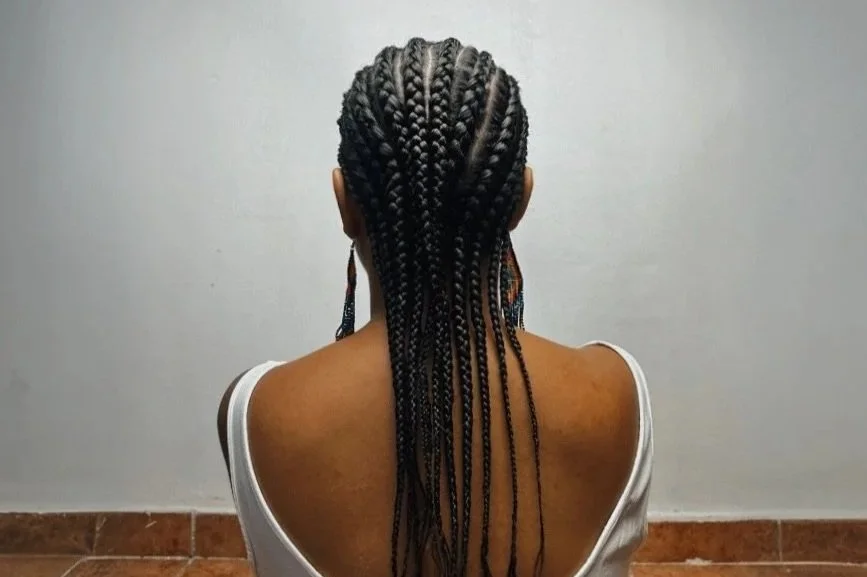
Wait?! What's Actually Going On at Tuskegee?
Before we get into the hot takes, let's make sure we're all on the same page, because half the people arguing about this online are working with incomplete information and that is so not the vibe.
Tuskegee's policy isn't just about bonnets and durags. It's a whole situation. Here's what's actually on the table:
Bonnets, durags, and bedroom shoes are banned in classrooms and the cafeteria
Stricter cellphone policies in class like, put it away, bestie
Tighter attendance requirements no more ghosting your 8 a.m.
No revealing clothing in academic and professional campus spaces
Business or business-casual attire expected in certain formal settings on campus
The university's whole message behind all of this is: discipline, accountability, professionalism, and career readiness. Tuskegee is basically saying, "We're not just here to give you a degree we're here to make sure you're ready for the real world when you walk across that stage."
And okay, real one? That's not entirely wild.
But also it kind of is? Let's get into it.
The Case For It: Okay But Like... They Have a Point?
I know, I know. Hear me out before you close the tab.
Tuskegee was founded in 1881 by Booker T. Washington, and if you know anything about him, you know his whole thing was that Black excellence had to be visible, undeniable, and polished because in a world that was actively trying to count Black people out, there was no room for anyone to have a reason to dismiss you. That philosophy is literally in Tuskegee's bones, and the dress code is very much an extension of that founding energy.
Here's what the supporters are saying, and honestly some of it slaps:
Professionalism Is a Skill And Skills Need Practice
Nobody walks into their first day at a law firm or a hospital in a silk bonnet and cloud slides. That's just not the world we live in and whether that's fair is a whole separate conversation (we'll get there, don't worry). But if Tuskegee is treating the classroom and the dining hall like a professional environment, then learning to navigate that space is literally practice for the real thing. Think of it like a dress rehearsal. You don't show up to opening night without having run through the show a hundred times first.
The Attendance and Cellphone Rules Are Honestly Just... Correct
Can we be honest for a second? The attendance requirements and the no-phones-in-class rule? That's not controversial that's just good. Showing up consistently and being present in your learning environment are habits that will genuinely serve you for life. Like, your future employer is not going to be impressed that you perfected your soft life era during lecture. The structure piece of this policy? Actually kind of necessary.
Tuskegee Has Always Been About the Whole Student
This isn't a school that just wants to hand you a diploma and send you on your way. Tuskegee has historically been invested in producing graduates who are fully prepared intellectually, professionally, and personally. The Tuskegee Airmen didn't just know how to fly planes. They showed up with discipline, precision, and presence. The school has always believed that how you carry yourself matters.
And that's a legacy that's genuinely beautiful.
But
The Case Against It: Because Bestie, We Need to Talk About This Too
Okay so here's where it gets real, and this is the part of the conversation that I think deserves the most space.
A Bonnet Is Not a Fashion Statement…It's Hair Care
Let's be very clear about something that gets lost in this debate every single time: a bonnet is not an aesthetic choice. For Black women, a bonnet is a tool. It protects natural hair from breakage, frizz, and damage. It's part of a hair care routine that is deeply tied to Black womanhood, community, and self-preservation. Black hair requires specific maintenance that other hair textures simply don't and the bonnet is a non-negotiable part of that for a lot of people.
When you ban the bonnet, you're not banning laziness or a lack of effort. You're telling Black women that the very act of caring for their hair in a way that is specific to their hair type is somehow unprofessional or inappropriate. And that? That stings in a very specific way.
The Durag Has Culture Written All Over It
Same energy applies to durags. This isn't just a piece of fabric, sis. The durag has a whole history rooted in Black American culture it's a symbol of style, identity, and community. The waves that durags help create are literally an art form. When institutions ban durags, they're not just regulating clothing they're sending a message about whose cultural practices are considered acceptable in "respectable" spaces.
And when that message is coming from a Black institution? That hits different. It really does.
Who Actually Decided What "Professional" Looks Like?
Here's the question that I cannot stop thinking about, and I really need you to sit with it for a second:
Who made the rules about what professionalism looks like and were Black people at the table when those rules were written?
The answer, historically, is no. The standards of "professional appearance" in America were built in predominantly white spaces, by predominantly white gatekeepers, with absolutely zero Black people in mind. Natural hair was considered unprofessional. Locs were banned in workplaces. Braids got little girls sent home from school. And now, items specifically tied to Black hair care are being banned on a Black campus.
That's not professional preparation. That's respectability politics and respectability politics has never actually protected Black people from discrimination. It just makes us work twice as hard to be palatable to systems that weren't designed for us.
This Is Giving "Shrink Yourself to Be Accepted" Energy
There's a really uncomfortable pattern that shows up when Black institutions adopt standards that ask Black students to minimize their cultural expression in order to be taken seriously. It sends a subtle but powerful message: who you are, naturally, is not enough. And for students who are already navigating the pressures of being first-generation college students, managing finances, dealing with imposter syndrome, and trying to build a future being told that their bonnet is a problem feels like one more thing working against them rather than for them.

So... Is This Respectability Politics or Real Preparation?
Okay, here's my honest take and I think it's a little bit of both, which is the most frustrating answer but also the most truthful one.
Tuskegee clearly cares about its students. The intention behind this policy isn't malicious, it comes from a place of genuine investment in student success. The attendance rules, the cellphone policies, the professional attire expectations for formal settings? Those are legitimate tools for building discipline and career readiness. No notes on that.
But banning bonnets and durags in the cafeteria? That's where the policy stops feeling like preparation and starts feeling like policing. Because you can teach a student how to dress for a job interview without telling them that their hair care routine is incompatible with academic seriousness. Those two things are not the same and conflating them is where the policy loses the plot a little.
The most powerful version of this conversation is one where Tuskegee says: "Here's how to navigate professional spaces and also, your culture is not the problem." Because both of those things can be true at the same time. Professional preparation and cultural affirmation are not opposites. They should be going hand in hand on an HBCU campus of all places.
The Bigger Picture: This Isn't Just About Tuskegee
Let's zoom out for a second, because this debate is really a mirror for a much bigger conversation that Black students, professionals, and communities are having everywhere right now.
From the CROWN Act legislation designed to protect Black people from hair discrimination in schools and workplaces to ongoing fights over dress codes that disproportionately target Black cultural expression, we are living in a moment where the definition of "professionalism" is being actively challenged and renegotiated.
And that's actually a good thing. It means people are paying attention. It means the next generation of Black professionals isn't willing to just quietly comply with standards that were never made with them in mind. It means the conversation is happening loudly, passionately, and with receipts.
Tuskegee is caught right in the middle of that moment. And how it responds whether it doubles down or opens up space for dialogue with its students will say a lot about what kind of institution it wants to be going forward.
So Where Do We Actually Draw the Line?
Here's the question I want to leave you with, because I genuinely don't think there's one clean answer and I think that's okay:
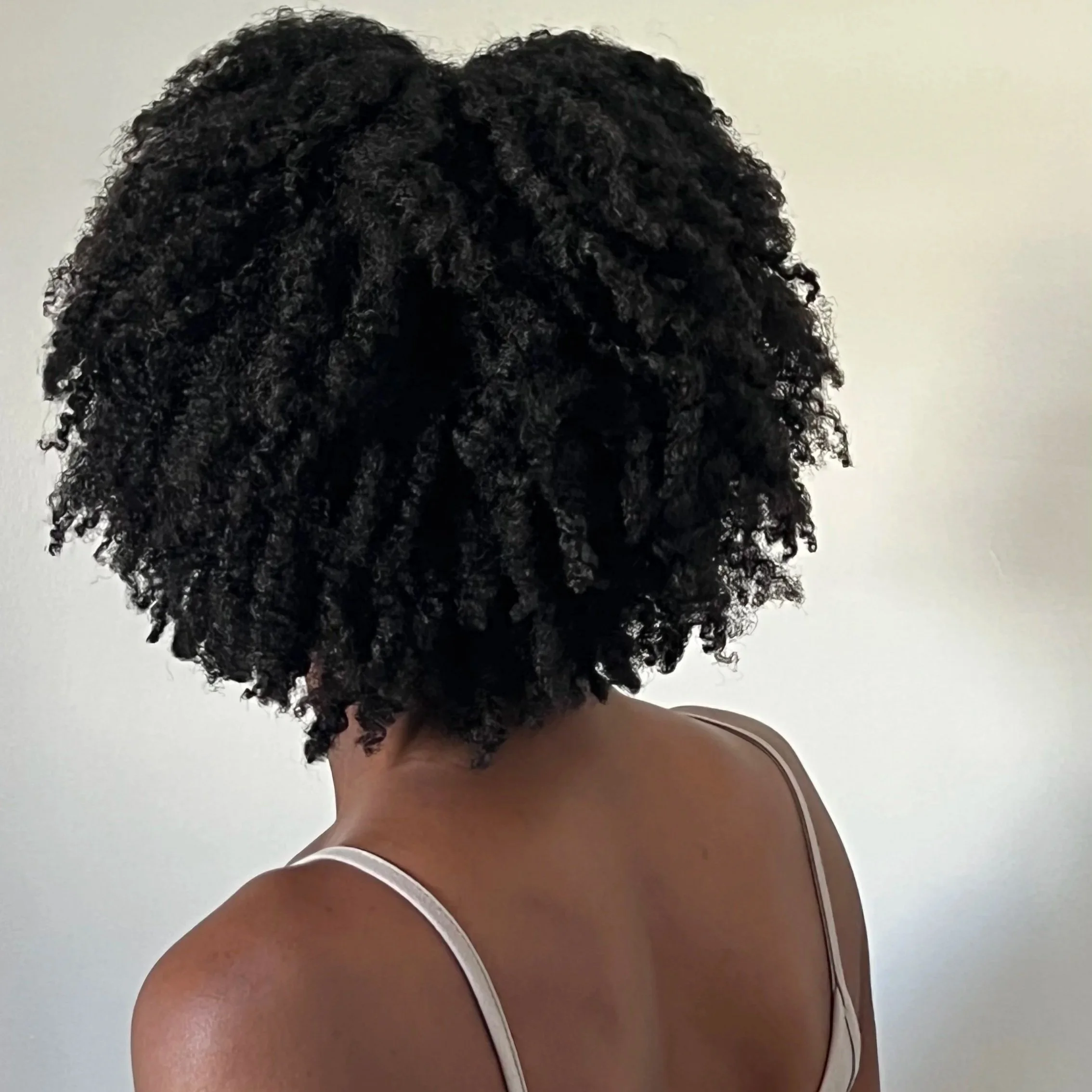
Where does professional preparation end and the policing of student identity begin?
Is it professional preparation when a university teaches students how to dress for a corporate interview? Absolutely. Is it professional preparation when attendance and focus are enforced in the classroom? One hundred percent.
But is it professional preparation when a Black woman is told she can't wear a bonnet to get breakfast in the morning an item she's wearing specifically to care for her hair before she styles it for the day? Is it preparation when a Black man is told his durag, an item tied to his cultural identity and his hair care, is incompatible with the academic environment?
Or is that something else entirely?
I think we all know the answer. And I think Tuskegee an institution with an extraordinary legacy and a genuine commitment to Black excellence is more than capable of finding a way to prepare its students for the world without asking them to leave pieces of themselves behind to do it.
Because the goal was never to produce graduates who are acceptable to a world that has historically undervalued them.
The goal was always to produce graduates who are undeniable.
And sis? You can be undeniable in a bonnet.
What do you think? Is Tuskegee's dress code a necessary push toward professionalism, or does it cross the line into policing Black expression? Drop your thoughts we genuinely want to hear them.
