
Are Students Too Harsh on Professors? The Complicated Truth behind Rate My Professor Culture
Introduction: The TikTok Professor Drama We All Live For
Bestie, we need to talk. You know that feeling when you're doing your nightly TikTok scroll and suddenly you're watching a student absolutely demolish their chemistry professor for giving a "literally impossible" exam? The comments are going OFF, everyone's sharing their own prof horror stories, and you're both entertained and slightly uncomfortable?
Yeah, that's become the entire vibe of college TikTok lately. We've basically turned dragging our professors into a whole genre of content, and honestly? I'm not sure how I feel about it anymore.
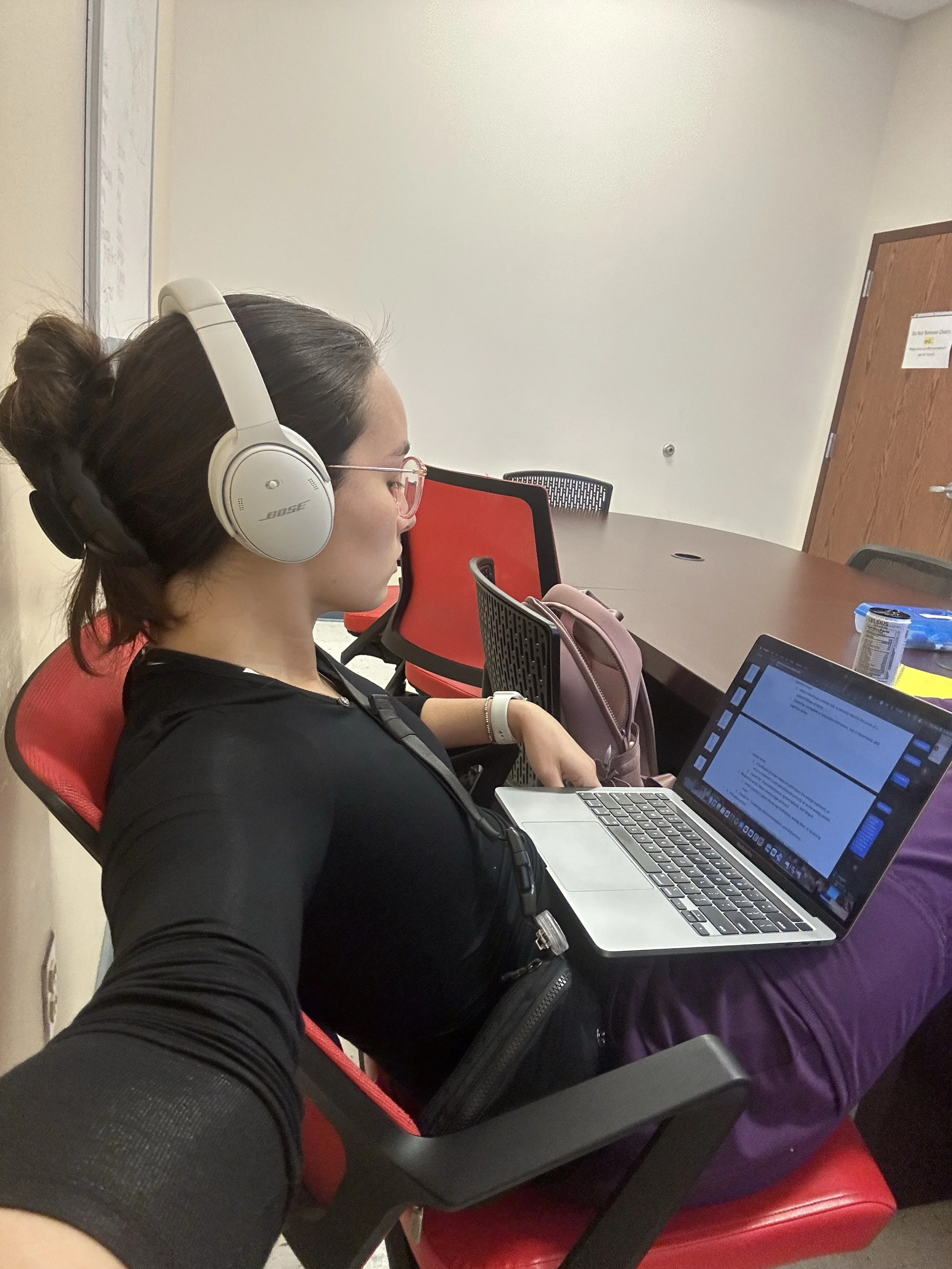
POV: Your Professor Just Got Absolutely Roasted on FYP
Picture this: You're mindlessly scrolling and suddenly there's your Organic Chemistry professor on your For You Page, except they're being absolutely dragged by a student from your university. The video has 50K likes, 3K comments, and everyone's in the replies sharing their own "toxic professor" stories.
We've basically weaponized our phones against anyone who dares to assign homework during finals week. But here's the thing: unlike your group chat rants, these posts reach THOUSANDS of people and can literally impact someone's entire career.
From Rate My Professor to TikTok: The Evolution of Professor Reviews
The OG Professor Rating System
Can we take a moment to appreciate how WILD it is that Rate My Professor has been shaping our academic decisions for literally decades? Before TikTok existed, RMP was our safe space to spill the tea about professors. Those little chili pepper ratings (RIP), the brutal one-star reviews, and those suspiciously perfect five-star ratings.
But Rate My Professor was contained. You had to actively search for reviews. Now, with TikTok, professor reviews are being served to us on a silver platter.
How RMP Actually Impacts Course Registration
Let's be real – I literally don't know a single person who registers for classes without consulting RMP first. We're out here making decisions about our education based on reviews that could have been written by someone who failed because they never showed up.
A professor with bad RMP reviews might have sections that never fill up, affecting their job security. Meanwhile, professors with good reviews get packed classes full of students who just want an "easy A."
What's Actually Going Down on College TikTok RN?
College TikTok has become UNHINGED. We've got students making multi-part series about their professors like they're documenting true crime cases. The algorithm absolutely LOVES drama, so guess what gets pushed to everyone's FYP? The most chaotic professor takedowns.
A bad RMP review might get seen by a few hundred students over several years. A viral TikTok about the same professor can reach hundreds of thousands of people in a single day.
Why We're All Chronically Online About Our Profs
We're the generation that documents everything. Bad dining hall food? TikTok. Roommate drama? TikTok. Professor gave us a B+ instead of an A? You already know where this is going.
Most of us would NEVER say half the things we post online directly to someone's face. It feels GOOD to get validation from strangers who agree that your professor is being unreasonable.
Your Prof's Side: They're Literally Just Trying to Survive
Can we acknowledge that being a professor right now probably sucks? Imagine trying to do your job while knowing that any decision you make could end up as viral content where thousands of college students debate whether you deserve to keep your career.
The constant fear of being "exposed" on social media is actually changing how professors teach, and not always in good ways. Many professors now check Rate My Professor obsessively, adjusting their teaching styles based on RMP reviews rather than educational best practices.
When the Dragging Gets Too Real: Where's the Line?
There's a HUGE difference between "Professor Williams' teaching style doesn't work for different learning types" and "Professor Williams is a miserable person who shouldn't be allowed around students."
This social media culture is affecting everyone's mental health. Some professors have literally quit their jobs because of viral social media attacks.
The Registration Game: How Reviews Shape Our Academic Choices
We're literally making academic decisions based on entertainment value and perceived difficulty rather than educational quality. Rate My Professor and TikTok reviews have turned course registration into a strategy game where the goal is to avoid challenge rather than seek learning.
I've watched friends choose their entire class schedule based on RMP ratings, avoiding potentially amazing professors because someone complained about "too much reading." Some of my most valuable college experiences came from professors who had terrible Rate My Professor reviews but challenged me to grow.
Finding Our Balance: How to Criticize Like Adults
Before posting that professor takedown, ask yourself: Is this constructive? Would I say this to their face? Am I trying to solve a problem or just get validation?
When writing Rate My Professor reviews, focus on specific teaching methods, course structure, and grading policies rather than personality traits. Future students need practical information, not personal attacks.
Conclusion: The Future of Prof-Student Dynamics
The question isn't whether students should have a voice in evaluating their education – we absolutely should. The real question is how we can use that voice to create positive change rather than just viral drama.
Remember, behind every viral video and Rate My Professor review is a real person trying to do their job or get an education. Let's use our platforms to build something better, not just tear each other down for content.
Let's Keep This Conversation Going
How much do Rate My Professor reviews actually influence your course selection? Have you ever written an unfair review in the heat of the moment?
